Recalling the communal warmth of the 1960s, OSWALD PEREIRA revisits a childhood where faiths mingled freely—and asks why Christians now gather in protest against attacks on their places of worship.

SENIOR JOURNALIST & BESTSELLING AUTHOR
Recalling the communal warmth of the 1960s, OSWALD PEREIRA revisits a childhood where faiths mingled freely—and asks why Christians now gather in protest against attacks on their places of worship.
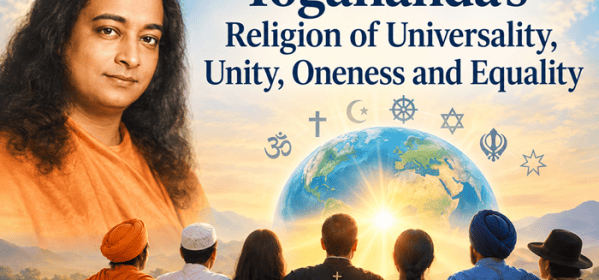
One God, one universal religion, many paths to the Divine. Paramahansa Yogananda teaches us that religions are not separate truths, but different paths towards one spiritual reality.
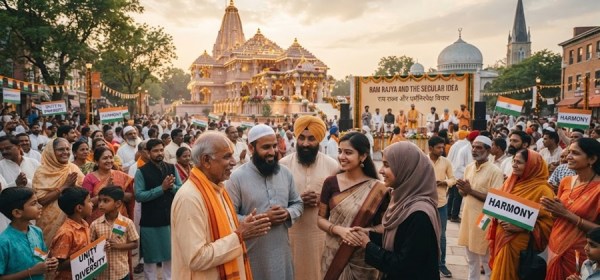
Ram Rajya existed centuries before the word secularism entered political language. Yet its ideal of just rule, equal protection and the welfare of all can help us understand why secularism has become central to modern India.
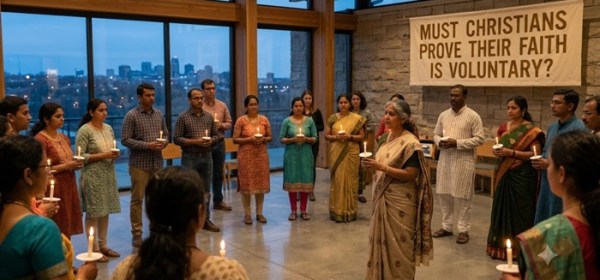
When a citizen must sign a declaration before entering a church, India must ask whether freedom of religion is still a constitutional right—or a privilege that minorities must prove they deserve.

Religions have fought over God for centuries. But Christianity, Hinduism, Islam and Buddhism may have more in common than their followers admit: love, compassion, truth, self-realisation and human unity.
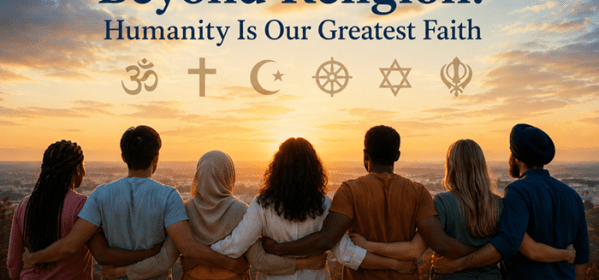
In an age when religious identity seems to rule our lives, the best option is to quietly transcend conventional labels, and adopt the belief that humanity itself is the most enduring faith.

