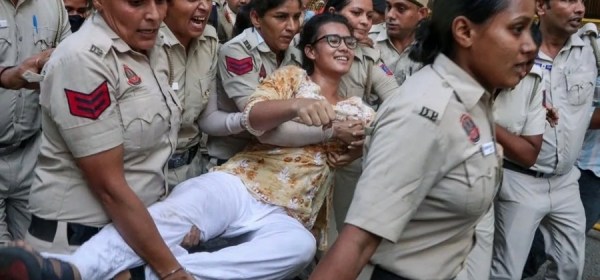
From a 23-day hunger strike to the barricades of Jantar Mantar, Neha Bora has emerged as a striking voice of India’s youth, defending dissent, citizenship and the right to vote.
SENIOR JOURNALIST & BESTSELLING AUTHOR
From a 23-day hunger strike to the barricades of Jantar Mantar, Neha Bora has emerged as a striking voice of India’s youth, defending dissent, citizenship and the right to vote.
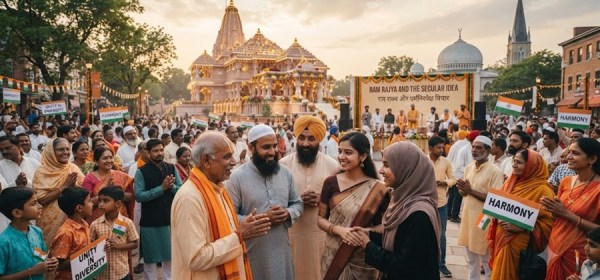
Ram Rajya existed centuries before the word secularism entered political language. Yet its ideal of just rule, equal protection and the welfare of all can help us understand why secularism has become central to modern India.
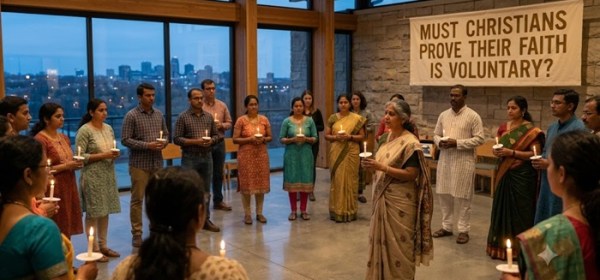
When a citizen must sign a declaration before entering a church, India must ask whether freedom of religion is still a constitutional right—or a privilege that minorities must prove they deserve.
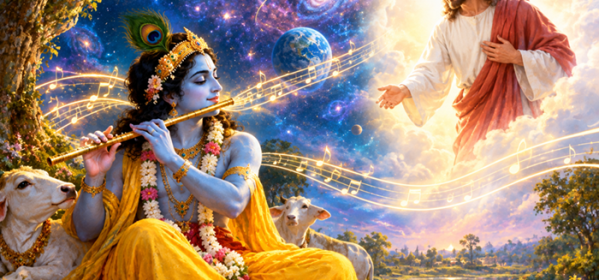
As we celebrate Janmashtami, let us look beyond religion and tradition to celebrate Krishna and Christ as two radiant expressions of one Divine Love, guiding humanity towards unity.

Before Independence satyagrahis stood before a line of policemen with raised lathis. Nearly eight decades after Independence, that haunting image still asks uncomfortable questions of Indian democracy. The greatness of a democracy is measured not by the force it can command, but by the restraint it chooses to exercise.
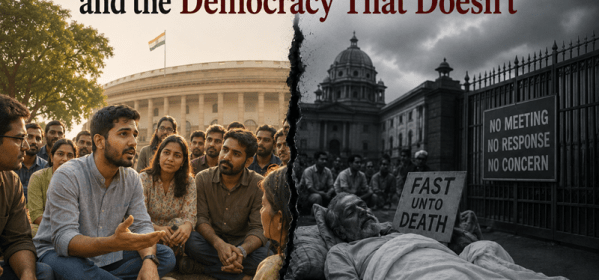
Four hunger strikes over four decades—from Ladakh to the Ganga to Jantar Mantar—reveal a profound shift in how Indian governments respond to citizens who choose self-sacrifice over violence.

