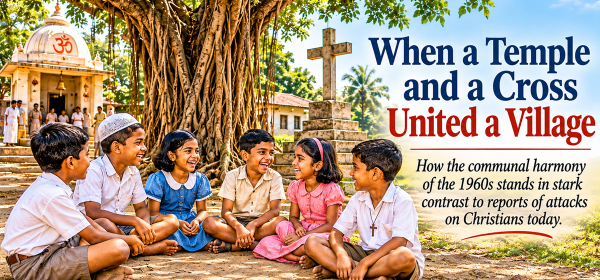
Recalling the communal warmth of the 1960s, OSWALD PEREIRA revisits a childhood where faiths mingled freely—and asks why Christians now gather in protest against attacks on their places of worship.
SENIOR JOURNALIST & BESTSELLING AUTHOR
Recalling the communal warmth of the 1960s, OSWALD PEREIRA revisits a childhood where faiths mingled freely—and asks why Christians now gather in protest against attacks on their places of worship.
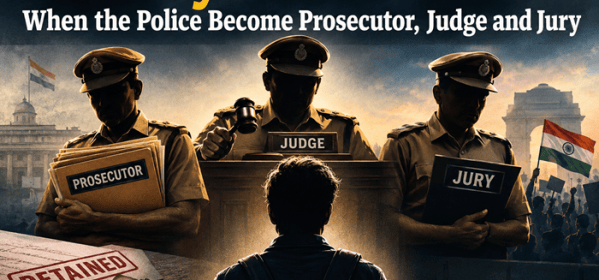
The preventive detention of Cockroach Janta Party leaders Saurav Das and Ashutosh Ranka raises troubling questions about police powers, executive magistrates, proportionality and the constitutional right to dissent.
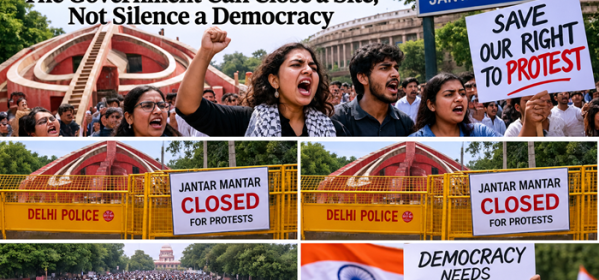
Jantar Mantar was built to observe the heavens. For three decades, it gave citizens a place to challenge power on earth. Its closure raises an urgent question: can a democracy survive by pushing dissent out of sight?
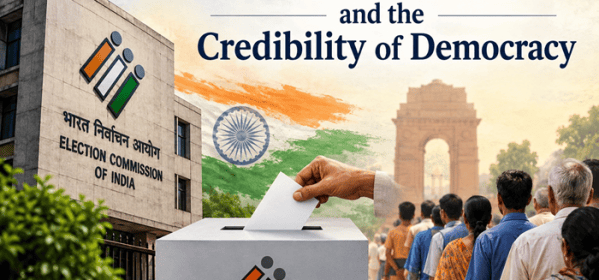
An election can change a government overnight. But if citizens begin to doubt the institution that conducts it, the damage can reach far deeper: it can shake democracy itself.
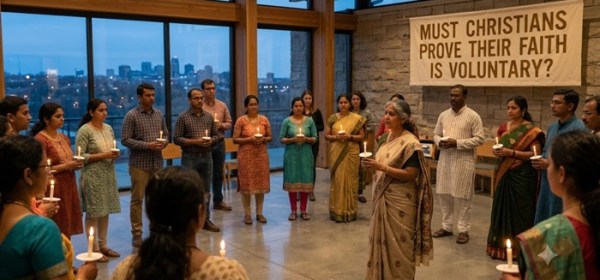
When a citizen must sign a declaration before entering a church, India must ask whether freedom of religion is still a constitutional right—or a privilege that minorities must prove they deserve.
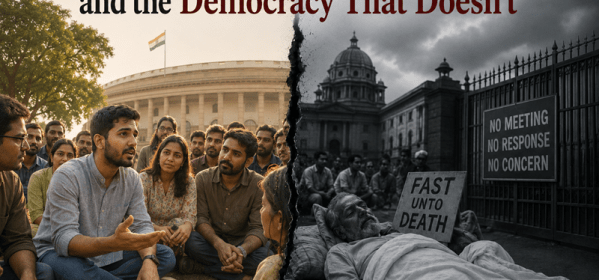
Four hunger strikes over four decades—from Ladakh to the Ganga to Jantar Mantar—reveal a profound shift in how Indian governments respond to citizens who choose self-sacrifice over violence.

