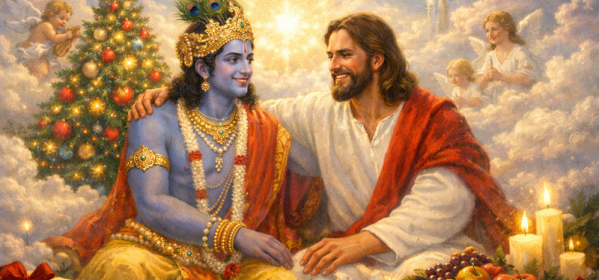
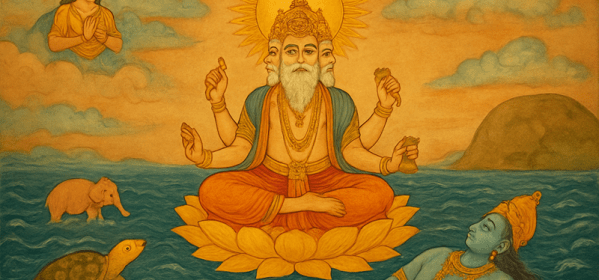
For millennia, believers have unquestioningly called God “He.” But if the Divine is formless and beyond gender, why does society stubbornly masculinise the sacred?
SENIOR JOURNALIST & BESTSELLING AUTHOR
For millennia, believers have unquestioningly called God “He.” But if the Divine is formless and beyond gender, why does society stubbornly masculinise the sacred?
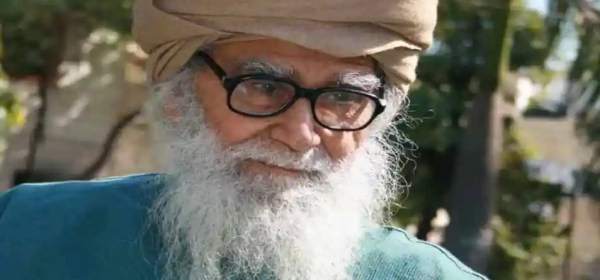
Maulana Wahiduddin Khan, a gentle voice of Islamic moderation, championed universalism of all faiths and the transformative power of dialogue,. His Gandhian spirit and deep spirituality shaped a lifelong mission to promote peace, harmony, and mutual understanding.
Self-realization is the oldest yet most radical journey of humankind—the discovery of the divine within. Paramahansa Yogananda called self-realization the “new religion” for a new age, where dogma dissolves and unity reigns.
India must stop seeking external approval for her gurus and saints and start listening to her own soul. Only when Indians recognise the value of their gurus not because the world applauds them, but because they are grounded in dharma, will we mature spiritually.
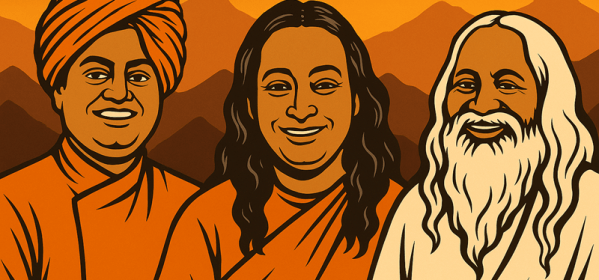
Bhagat Singh transformed Swami Vivekananda’s call for heroic spirituality into a political struggle for justice. In that transformation, the hero of the freedom struggle built a bridge between spiritual nationalism and revolutionary activism in India’s freedom movement. An analysis on how the non-violent sage inspired the revolutionary freedom fighter.
By reviving Kriya Yoga and presenting meditation as both a science and a sacred art, Paramhansa Yogananda made accessible the eternal truths of yoga to all, irrespective of caste, class or creed. Yogananda’s teachings on meditation indicate that the bliss experienced in meditation is not the prerogative of one exclusive group, but a path open to all.