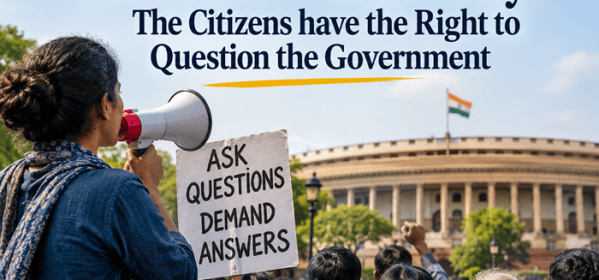
In a democracy, the citizens have the right to question the government.
SENIOR JOURNALIST & BESTSELLING AUTHOR
In a democracy, the citizens have the right to question the government.
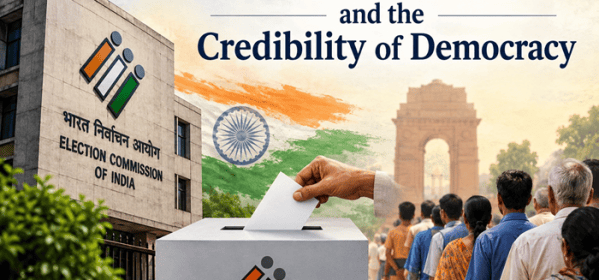
An election can change a government overnight. But if citizens begin to doubt the institution that conducts it, the damage can reach far deeper: it can shake democracy itself.

Before Independence satyagrahis stood before a line of policemen with raised lathis. Nearly eight decades after Independence, that haunting image still asks uncomfortable questions of Indian democracy. The greatness of a democracy is measured not by the force it can command, but by the restraint it chooses to exercise.
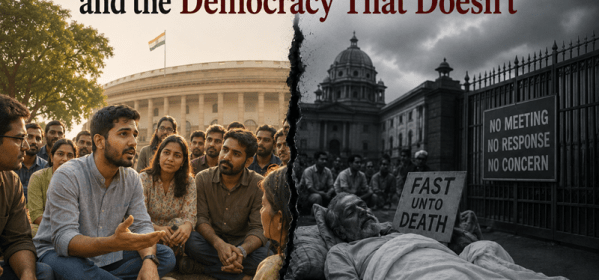
Four hunger strikes over four decades—from Ladakh to the Ganga to Jantar Mantar—reveal a profound shift in how Indian governments respond to citizens who choose self-sacrifice over violence.

Democracy is not destroyed overnight. It erodes gradually. Each silenced protest, each intimidated dissenter, and each indifferent citizen becomes another nail in the coffin of freedom.
As students protest and Sonam Wangchuk fasts for educational accountability, Bollywood’s biggest stars remain conspicuously absent. The industry’s silence raises an uncomfortable question: are its screen heroes merely manufactured illusions?

