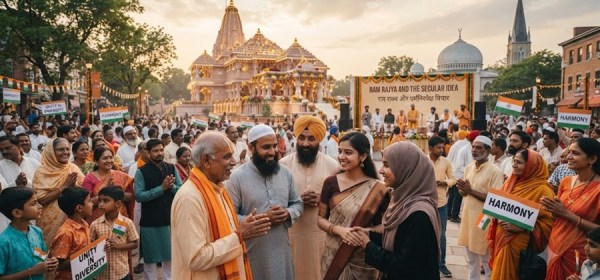
Ram Rajya existed centuries before the word secularism entered political language. Yet its ideal of just rule, equal protection and the welfare of all can help us understand why secularism has become central to modern India.
SENIOR JOURNALIST & BESTSELLING AUTHOR
Ram Rajya existed centuries before the word secularism entered political language. Yet its ideal of just rule, equal protection and the welfare of all can help us understand why secularism has become central to modern India.
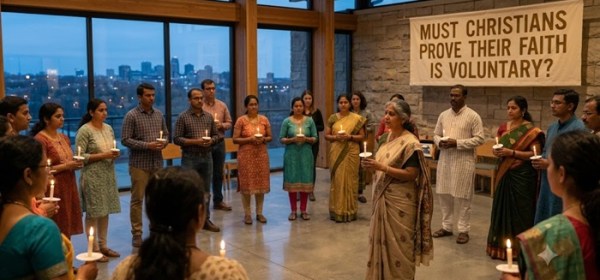
When a citizen must sign a declaration before entering a church, India must ask whether freedom of religion is still a constitutional right—or a privilege that minorities must prove they deserve.
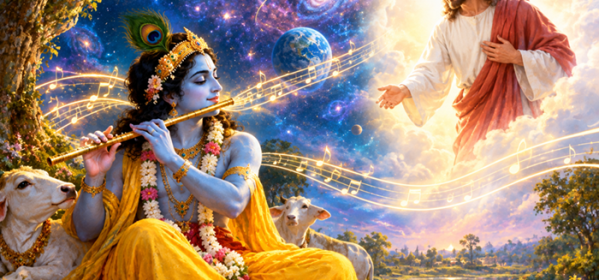
As we celebrate Janmashtami, let us look beyond religion and tradition to celebrate Krishna and Christ as two radiant expressions of one Divine Love, guiding humanity towards unity.

Religions have fought over God for centuries. But Christianity, Hinduism, Islam and Buddhism may have more in common than their followers admit: love, compassion, truth, self-realisation and human unity.

As students protest and Sonam Wangchuk fasts for educational accountability, Bollywood’s biggest stars remain conspicuously absent. The industry’s silence raises an uncomfortable question: are its screen heroes merely manufactured illusions?

In an age when religious identity seems to rule our lives, the best option is to quietly transcend conventional labels, and adopt the belief that humanity itself is the most enduring faith.

